·1951 words·10 mins
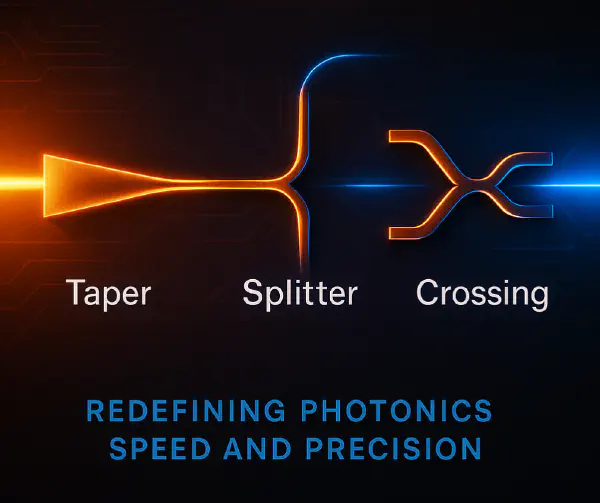
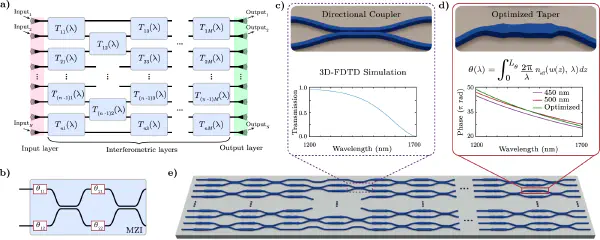
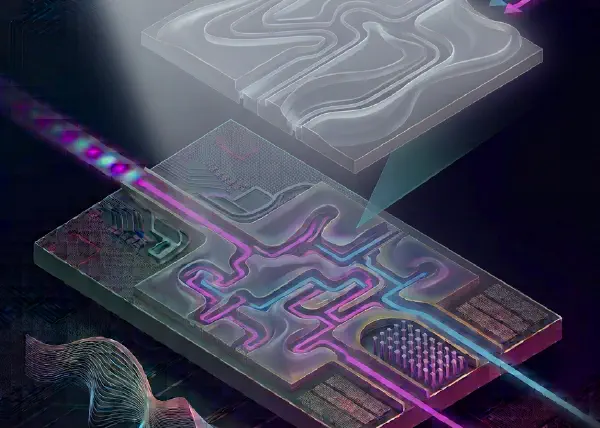
Every photonic chip starts as an idea about light: split it evenly, route it by wavelength, twist it from one mode into another. Turning that idea into a real, etchable pattern of silicon and glass is where things get hard — not because we can’t imagine a shape that does the job optically, but because most of the shapes an algorithm imagines cannot actually be fabricated.
Our new paper, “Intrinsically Design-Rule-Compliant Nanophotonic Inverse Design via Learned Generative Manifolds,” published in Laser & Photonics Reviews, tackles this mismatch head-on. Rather than teaching an optimizer to avoid fabrication violations, we taught it to never be able to draw one in the first place.